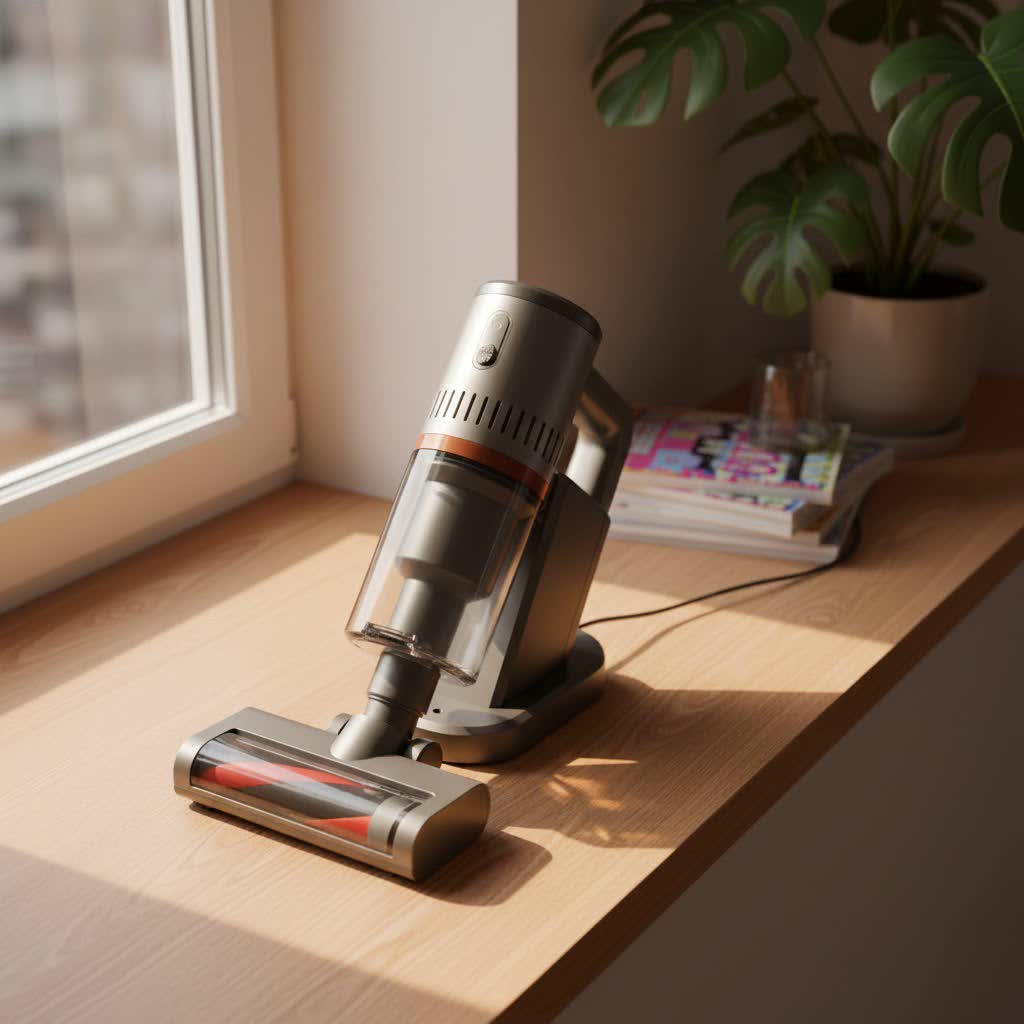
In our fast-paced lives, spills and messes are inevitable, but dragging out a full-sized vacuum for every crumb or dusty corner feels like overkill. This is where the handheld battery vacuum swoops in as your ultimate cleaning companion. Lightweight, powerful, and incredibly convenient, these compact devices have revolutionized how we tackle quick cleanups, making daily chores less daunting and more efficient. This comprehensive guide will equip you with all the knowledge needed to select the perfect handheld battery vacuum tailored to your specific cleaning demands.
What is a Handheld Battery Vacuum and Why Do You Need One?
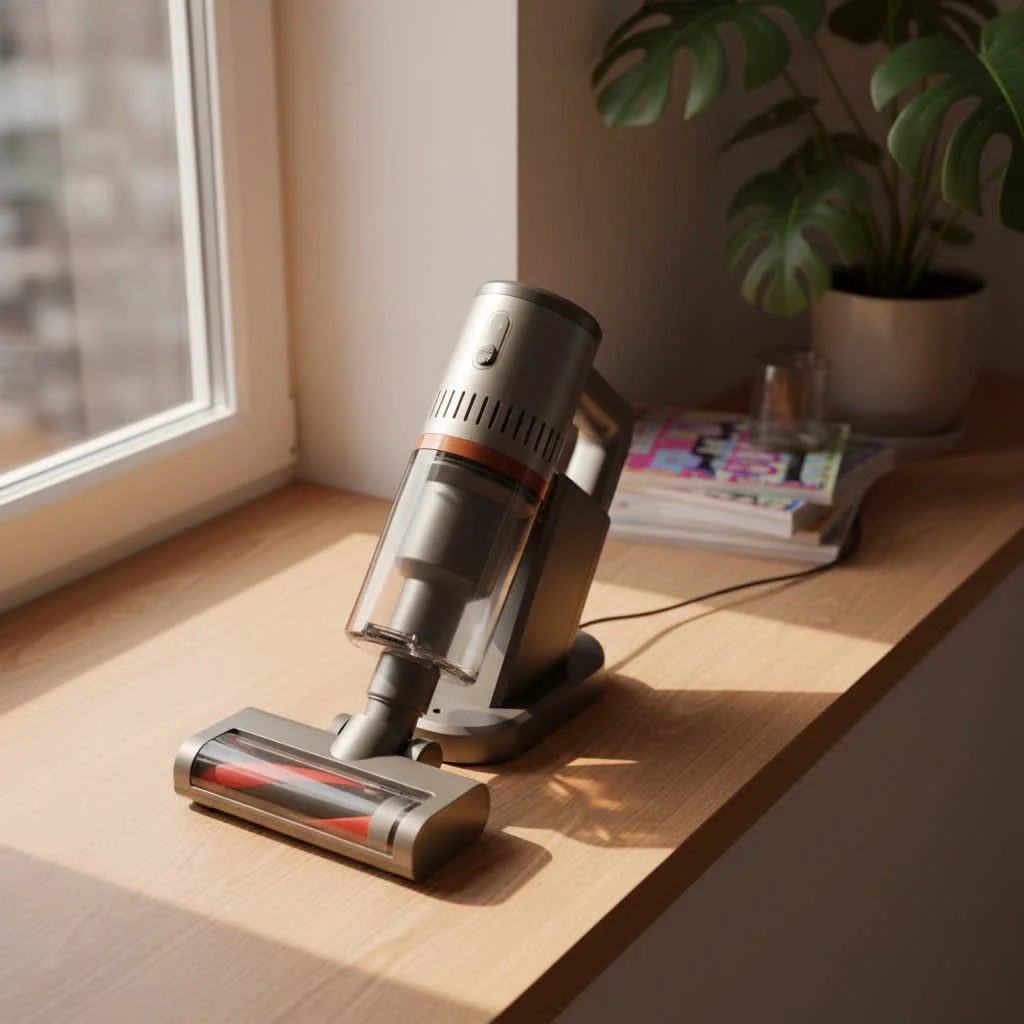
A handheld battery vacuum is a compact, portable cleaning device powered by a rechargeable battery, designed for quick, targeted cleanups. Unlike their larger, corded counterparts, these mini powerhouses offer unparalleled freedom of movement, allowing you to clean without being tethered to an electrical outlet. For explore our handheld vacuum reviews on this site.
The primary advantage of a handheld battery vacuum lies in its convenience and portability. Its lightweight design makes it easy to maneuver, significantly reducing the effort required for spot cleaning or reaching tight spaces. Imagine effortlessly vacuuming spilled cereal under the kitchen table, clearing pet hair from upholstery, or tidying up crumbs in your car without wrestling a heavy machine or searching for a distant power socket. These vacuums excel in scenarios where traditional vacuums are cumbersome, proving indispensable for busy households, pet owners, and vehicle enthusiasts. Their ability to handle both dry debris and sometimes even small liquid spills makes them incredibly versatile.
Types of Handheld Battery Vacuums on the Market
Handheld battery vacuums come in various configurations, primarily differing in their power output, battery technology, and specialized features. Understanding these distinctions will help you pinpoint a model that aligns with your cleaning style.
By Power (Suction)
Handheld vacuums generally offer varying levels of suction power, which is often expressed in Air Watts (AW) or simply described as low, medium, or high.
- Low Power: Suitable for very light dust and fine debris. These models typically offer longer battery life but are less effective on embedded dirt.
- Medium Power: A good balance of suction and runtime, ideal for most everyday spills like crumbs, dry food particles, and surface dust. Many cordless vacuums perform well on medium power for general floor cleaning.
- High Power (Max Power): Delivers the strongest suction, best for tougher jobs like deeply embedded dirt in carpets, stubborn pet hair, or larger debris. However, using max power significantly reduces battery life, often to just 5-10 minutes on some models.
By Features
|
Our Picks for the Best Handheld Vacuum in 2026
As an Amazon Associate I earn from qualifying purchases.
|
||
| Num | Product | Action |
|---|---|---|
| 1 | BLACK+DECKER dustbuster AdvancedClean Handheld Vacuum Cordless, Compact Home and Car Vacuum with Crevice Tool ,Rotating Nozzle and Charging Station, Large Dust Bowl (CHV1410L) |

|
| 2 | Handheld Vacuum Cordless, 15000PA Strong Suction Hand Held Car Vacuum Cleaner Rechargeable, Portable Hand Vacuum with Multi-Nozzles & Washable Filter for Home Office, Car, Pets |
|
| 3 | 4-in-1 Handheld Vacuum Cleaner |
|
| 4 | BISSELL Pet Hair Eraser Cordless Hand Vacuum, Lithium Ion, Home, Auto, and Pet Vacuum, Easy-Empty Dirt Bin, Upholstery Tool, Brush Tool, and Crevice Tool Included, 2390A |
|
| 5 | BLACK+DECKER dustbuster Cordless Handheld Vacuum, Portable Vacuum for Car and Home Rechargeable, Powerful Suction, Wide Mouth (HHVI315JO42) |
|
| 6 | BLACK+DECKER dustbuster Cordless Handheld Vacuum, Portable Car Vacuum Cordless Rechargeable, Wall Mount, Strong Suction QuickClean (HNVC215B10) |
|
| 7 | Dzaki S9X Vacuum Cleaners for Home,400W 50KPa Cordless Stick Vacuum Cleaner,Up to 55 Mins Runtime,Smart Induction Auto-Adjustment,Rechargeable Battery Vacuum Cordless for Carpet Floor Pet Hair(Gray) |
|
| 8 | Shark UltraCyclone Pet Pro Plus Cordless Hand Vacuum, Powerful Suction, Handheld Vacuum for Car & Home, Pet Power Brush, Crevice Tool, Scrubbing Brush, XL Dust Cup, Black, CH951 |
|
| 9 | Bissell PowerClean 200W Self-Standing Cordless Vacuum w/Tangle Free Brush Roll, Removeable Battery, Wall Mount, Upholstery Tool & Bright Headlights, 4173 |
|
| 10 | KMM Handheld Car Vacuum Cleaner, 9000Pa Vacuum Cleaner and Air Duster, 120W High Power Hand Held Vacuum with LED Light and Multi-Nozzles for Car, Home, Office, Pet |
|
Modern handheld battery vacuums integrate a range of features to enhance their usability and cleaning efficacy.
- Dry-Only vs. Wet & Dry: Most handheld battery vacuums are designed for dry debris. However, some specialized models offer wet & dry functionality, allowing them to suction small liquid spills, which is particularly useful for kitchens or car interiors.
- Filtration Systems: A crucial feature for air quality, filtration systems vary. Basic filters trap larger particles, while advanced systems, particularly those with HEPA filters and a sealed system, can capture up to 99.97% of microscopic allergens and dust, preventing them from being expelled back into the air. A sealed system ensures all air passes through the filter.
- Attachments: The versatility of a handheld vacuum often hinges on its included attachments. Common accessories include:
- Crevice tools: Ideal for narrow gaps, corners, and car seats.
- Brush tools: With bristles for dusting delicate surfaces or agitating debris on upholstery.
- Motorized pet tools: Specifically designed with brush rolls to effectively lift and collect pet hair from fabric.
- Battery Technology: Most modern handheld vacuums use Lithium-ion (Li-ion) batteries, known for their longer life, faster charging, and consistent power output. Some models feature removable batteries, which are a significant advantage as they allow you to swap in a charged battery for extended runtime or replace a degraded battery down the line. Others have integrated batteries that cannot be easily removed.
Key Factors to Consider When Choosing a Handheld Battery Vacuum (Buying Guide)
Selecting the best handheld battery vacuum involves evaluating several critical factors against your specific cleaning needs and preferences. A thoughtful assessment ensures you invest in a device that genuinely enhances your cleaning routine.
Identify Your Needs
Before diving into specifications, consider where and how you’ll primarily use the vacuum:
- For Home Spot Cleaning: Are you mostly picking up crumbs, dust, or pet hair from furniture, countertops, or small floor areas? A moderate suction with good attachments might suffice.
- For Car Interiors: You’ll need strong suction, a slim design, and specialized crevice tools to navigate tight spaces effectively.
- For Pet Owners: Look for models specifically designed to handle pet hair, often featuring motorized brush tools and robust filtration.
- For Workshops/Garages: Durability and potentially wet/dry capabilities could be important.
Essential Features to Evaluate
- Suction Power: While manufacturers often boast high Air Watt (AW) numbers, real-world performance is key. Focus on user reviews and independent tests. A suction power of ≥100 AW is often recommended for reliable performance in car interiors and tight spaces.
- Battery Life & Type: This is paramount for cordless convenience.
- Runtime: Official figures often refer to the lowest power setting (e.g., 40-60 minutes). Expect roughly half that on medium power and significantly less (5-10 minutes) on max power. Consider if a single charge is sufficient for your typical cleanup tasks.
- Removable vs. Integrated Battery: Removable batteries allow for extended cleaning sessions by swapping in a fresh one and offer easier replacement if the battery degrades.
- Real-time Battery Display: An LED screen showing remaining minutes or percentage can be incredibly helpful for managing your cleaning time.
- Weight & Ergonomics: Since you’ll be holding it, the vacuum’s weight and how it feels in your hand are crucial. Heavier handles can cause fatigue, especially during extended use or when cleaning above-floor areas. Lighter models (typically 2-5 lbs) are easier to maneuver.
- Dustbin Capacity & Emptying: Handheld vacuums have smaller dustbins. Consider how often you’re willing to empty it. Look for models with hygienic, one-step emptying mechanisms to minimize contact with dirt and ease of cleaning.
- Filtration System: For cleaner air, especially if you have allergies or pets, prioritize models with a sealed HEPA filtration system. This prevents fine dust and allergens from re-entering your environment.
- Attachments: The right attachments expand your vacuum’s capabilities. A crevice tool is almost always essential. Look for brush tools for upholstery and dusting, and specialized pet hair tools if needed.
- Noise Level: Some handheld vacuums can be surprisingly loud. If noise is a concern, especially in shared living spaces, look for models reviewed for quieter operation (preferably below 80 dB).
Budget
Handheld battery vacuums range from budget-friendly options under $100 to premium models costing several hundred dollars. Determine your budget upfront and look for the best features within that price range. a higher price often correlates with better suction, longer battery life, and more advanced features.
Top Handheld Battery Vacuums Today (Reviews)
Based on extensive testing and user feedback, several handheld battery vacuums consistently stand out for their performance and features.
- Worx 20V Power Share Cordless Cube Vac: Often praised as a strong contender for overall best handheld vacuum, offering exceptional cleaning performance and ease of use. It boasts over 20 minutes of runtime and integrated attachment storage. However, its dust cup can be relatively small, and hose clogs might be difficult to clear.
- Shark UltraCyclone Pet Pro+: This model excels at clearing solid debris from bare surfaces and rugs, featuring a sizable 0.11-gallon (0.40L) dirt compartment. It’s a powerful option for pet owners, but its 10-minute battery life is comparatively shorter, and the battery is not user-replaceable.
- Black+Decker Dustbuster Series (e.g., Dustbuster Blast, 16V MAX Cordless Hand Vacuum): These models are frequently highlighted for their budget-friendly price point and solid cleaning performance on hard surfaces. They offer decent runtime for quick cleanups, though some models may struggle with capturing fine dust effectively, and their batteries are often integrated and non-replaceable. The flip-up brush attachment is a handy feature for upholstery.
- Dyson Car+Boat: A premium option known for powerful suction and good battery life, particularly for car cleaning. While effective, it comes at a higher price point.
> “The secret to a truly clean home isn’t just power, it’s about having the right tool for the right mess. A handheld vacuum delivers that precision.”
How to Use and Maintain Your Handheld Battery Vacuum Properly
Proper usage and maintenance are crucial for maximizing your handheld battery vacuum’s performance and extending its lifespan.
Effective Usage Tips
- Match Power to Task: Use lower power settings for light dust and surface debris to conserve battery life. Reserve maximum power for tougher spots like deeply embedded dirt or pet hair.
- Utilize Attachments: Always use the appropriate attachment for the job. Crevice tools are for tight corners, brush tools for delicate surfaces and upholstery, and specialized pet tools for hair removal.
- Empty Regularly: Handheld vacuums have smaller dustbins. Emptying the bin after each significant use prevents loss of suction and keeps the vacuum hygienic.
- Charge Appropriately: Follow manufacturer guidelines for charging. Avoid overcharging or completely draining the battery frequently, as this can impact battery health over time.
Maintenance for Longevity
- Clean Filters Monthly: Most handheld vacuums have washable filters. Rinse them with water and allow them to air dry completely before reinserting. This prevents clogging and maintains optimal suction and air quality. If your vacuum has a HEPA filter, ensure it’s kept clean or replaced as recommended.
- Clear Brushrolls: If your vacuum has a brush attachment, regularly check it for tangled hair or debris that can hinder its rotation and cleaning effectiveness.
- Check for Clogs: If suction drops, inspect the nozzle, attachments, and main air path for any blockages.
- Store Properly: Store your handheld vacuum in a cool, dry place. If it has a charging dock, ensure it’s always docked and charged so it’s ready for immediate use.
Comparison Table
| Feature | Worx 20V Power Share | Shark UltraCyclone Pet Pro+ | Black+Decker 16V MAX Dustbuster |
|---|---|---|---|
| Suction | Exceptional | Solid | Good for hard surfaces |
| Battery Life | 20+ mins | ~10 mins | ~10-16 mins |
| Weight | Moderate | Moderate (larger for HH) | Lightweight |
| Price | Mid-range | Mid-to-High | Budget |
| Pros | High performance, integrated storage, good runtime | Strong on bare floors & rugs, large bin | Affordable, good for quick cleanups |
| Cons | Small dust cup, hose clogs | Shorter runtime, non-replaceable battery | Filter issues with fine dust, non-replaceable battery |
Expert Buying Guide
Choosing the ideal handheld battery vacuum boils down to a few core principles. First, clearly define your primary cleaning needs—whether it’s for quick kitchen spills, car detailing, or managing pet hair. This focus will guide your decisions on suction power, attachments, and battery life. Always prioritize models with a sealed HEPA filtration system for superior air quality. Don’t underestimate the importance of handle weight and ergonomics; a comfortable vacuum is one you’ll actually use. Finally, consider models with removable batteries if extended runtime is crucial. the best handheld vacuum isn’t necessarily the most powerful or expensive, but the one that seamlessly integrates into your lifestyle, making quick cleanups truly effortless.
Conclusion
Handheld battery vacuums are indispensable tools for modern living, offering unparalleled convenience and efficiency for tackling everyday messes. Their portability, ease of use, and targeted cleaning capabilities make them a smart addition to any home or vehicle. By focusing on factors like suction power, battery life, effective filtration, and suitable attachments, you can confidently select a model that addresses your unique cleaning challenges. Investing in the right handheld battery vacuum means more spotless surfaces and less time spent on tedious chores.
What specific mess do you find yourself reaching for a handheld vacuum most often?
Frequently Asked Questions
How long does the battery typically last on a handheld battery vacuum?
Battery life varies significantly. On the lowest power setting, you can expect 40-60 minutes, while medium power usually provides about half that. On maximum power, runtime often drops to 5-10 minutes, depending on the model and battery capacity.
Is a HEPA filter always necessary for a handheld vacuum?
While not strictly “necessary” for all users, a HEPA filter is highly recommended, especially if you have allergies, asthma, or pets. However, the vacuum also needs a sealed system to prevent microscopic particles from escaping back into the air, ensuring effective filtration.
Do handheld battery vacuums work well for pet hair?
Yes, many handheld battery vacuums are excellent for pet hair, particularly those equipped with soft roller heads, dual rollers (like Shark’s DuoClean), or active hair removal features in their brushrolls. These designs efficiently pick up hair and minimize tangles.
What are the most useful attachments for a handheld battery vacuum?
Essential attachments include a crevice tool for tight spaces, a brush tool for dusting and upholstery, and, for pet owners, a motorized mini brush tool is invaluable for lifting embedded pet hair from fabric surfaces. Some models also offer flexible hoses for enhanced maneuverability in handheld mode.
Why is handle weight an important consideration for handheld vacuums?
All of a handheld vacuum’s weight is concentrated in the handle, which can lead to fatigue during use. Lighter models make cleaning easier, especially for extended periods or when reaching for high or awkward spots, improving overall user comfort and reducing strain.
Get our weekly buyer guide
Practical specs, not advice. Unsubscribe anytime.
